Food Journal Kids – A Fun and Educational Tool for Encouraging Healthy Eating Habits in Children
Healthy eating habits are essential for children’s growth, development, and overall well-being. However, getting kids excited about food tracking or making mealtime a learning experience can be challenging. Food Journal Kids offers a creative and engaging solution that makes the process of monitoring nutrition both enjoyable and educational. Designed with children in mind, this journal helps track meals, water intake, fruits and vegetables, and other healthy behaviors in a way that feels less like a chore and more like play.
What is Food Journal Kids?
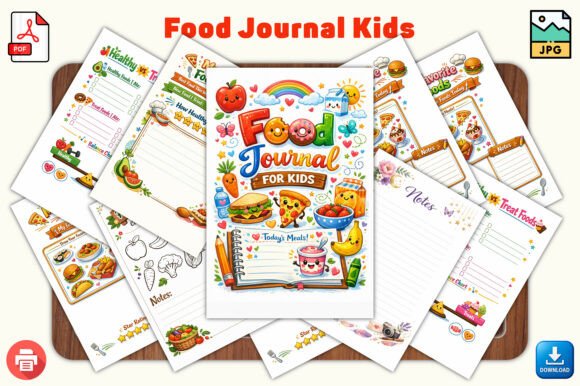
Food Journal Kids is a beautifully designed, interactive journal that encourages children to take an active role in their health. It provides a structured yet flexible format for recording daily meals, hydration levels, and nutritional intake. The journal includes colorful illustrations, fun icons, and ample space for drawing or writing, which keeps young users engaged and motivated.
The product comes in a standard 6 × 9 inches page size, making it easy to carry and use at home, school, or on-the-go. It is available in high-quality print-ready PDF format, ideal for printing through services like KDP, Creative Fabrica, or Create Africa Home Printing. This makes it a versatile option for parents, educators, and anyone looking to introduce healthy eating habits to children.
Key Features That Set Food Journal Kids Apart
One of the standout aspects of Food Journal Kids is its kid-friendly layout. Unlike traditional food journals that may feel too formal or complex for younger users, this version uses playful elements such as cute food icons, bright colors, and simple language to make the experience more approachable.
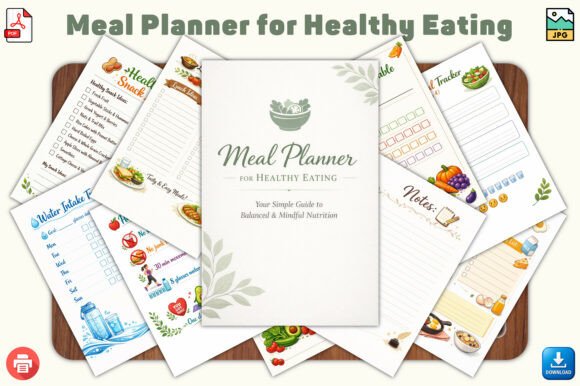
- Daily Food Log Pages: These pages allow children to record what they eat throughout the day, encouraging them to think about their choices and how different foods affect their energy and mood.
- Healthy Eating Tracker: This section helps children monitor their progress toward eating balanced meals, reinforcing good habits over time.
- Fruits and Vegetables Tracker: A visual tracker lets kids see how many servings of fruits and veggies they consume each week, helping them understand the importance of variety in their diet.
- Water Intake Tracker: Staying hydrated is crucial, and this tracker makes it easy for children to keep up with their daily water goals in a fun and rewarding way.
- Lunchbox Planner: Parents and kids can work together to plan nutritious lunches, promoting independence and decision-making skills.
- Weekly Food Review Pages: At the end of each week, children can reflect on their meals and identify areas for improvement, fostering mindfulness around food choices.
- Notes Page and Thank You Page: These add a personal touch, allowing kids to write down thoughts, set goals, or express gratitude for their meals and healthy lifestyle.
With these features, Food Journal Kids goes beyond just tracking—it encourages reflection, creativity, and long-term habit formation.
How Does Food Journal Kids Compare to Other Options?
When comparing Food Journal Kids to similar products, it stands out for its focus on engagement and ease of use. Many food journals for children are either too basic or overly complicated. Food Journal Kids, however, strikes a balance by offering structure without overwhelming young users. Its large writing and drawing spaces accommodate both early readers and those who are still developing fine motor skills.
In terms of design, the use of food icons and vibrant visuals makes it more appealing than generic trackers or digital apps. While some alternatives rely on technology, Food Journal Kids provides a tactile, hands-on experience that can be especially valuable for younger children who benefit from physical interaction with their learning tools.
Another advantage is its versatility. It is suitable for use in various settings, including homes, classrooms, and after-school programs. Teachers and homeschoolers can integrate it into lesson plans or activity-based learning, while parents can use it to support their child's nutrition education at home.
When Is Food Journal Kids the Right Choice?
Food Journal Kids is ideal for families, educators, and caregivers who want to encourage healthy eating habits in a fun and supportive environment. It works best for children aged 5 to 12, depending on their reading level and ability to write independently. For younger children, parents can assist with filling out the journal, while older kids can manage it on their own.
If you're looking for a resource that combines education with entertainment, this journal is a strong candidate. It is particularly beneficial for children who struggle with picky eating or who need encouragement to drink more water and eat more fruits and vegetables. The weekly review pages also help reinforce positive behaviors and promote self-awareness around dietary choices.
However, if your child prefers digital tools or already has access to a comprehensive app for food tracking, Food Journal Kids might not be the most efficient choice. It is also less suited for highly tech-savvy users who may prefer interactive or gamified experiences.
Considerations and Tradeoffs
While Food Journal Kids offers many benefits, there are a few factors to consider before purchasing. As a physical journal, it requires regular maintenance and may need to be replaced periodically, unlike digital apps that can be updated automatically. Additionally, the effectiveness of the journal depends on consistent use and parental involvement, which may not always be feasible for busy households.
There is also a learning curve for younger children who may not be familiar with tracking their meals or understanding the importance of hydration and nutrition. Parents or teachers may need to provide guidance initially to ensure the journal is used effectively.
Despite these considerations, the benefits of using Food Journal Kids often outweigh the challenges. It provides a tangible way for children to engage with their health and develop lifelong habits that can positively impact their well-being.
Conclusion
Food Journal Kids is a valuable tool for parents, educators, and caregivers who want to make healthy eating an enjoyable and educational experience for children. With its engaging design, practical features, and emphasis on mindfulness, it supports the development of good nutrition habits in a way that feels natural and fun. Whether used at home, in the classroom, or as part of a larger wellness program, this journal can help children build a stronger relationship with food and foster healthier lifestyles from an early age.